Projects

Home – Projects

Project Overveiw

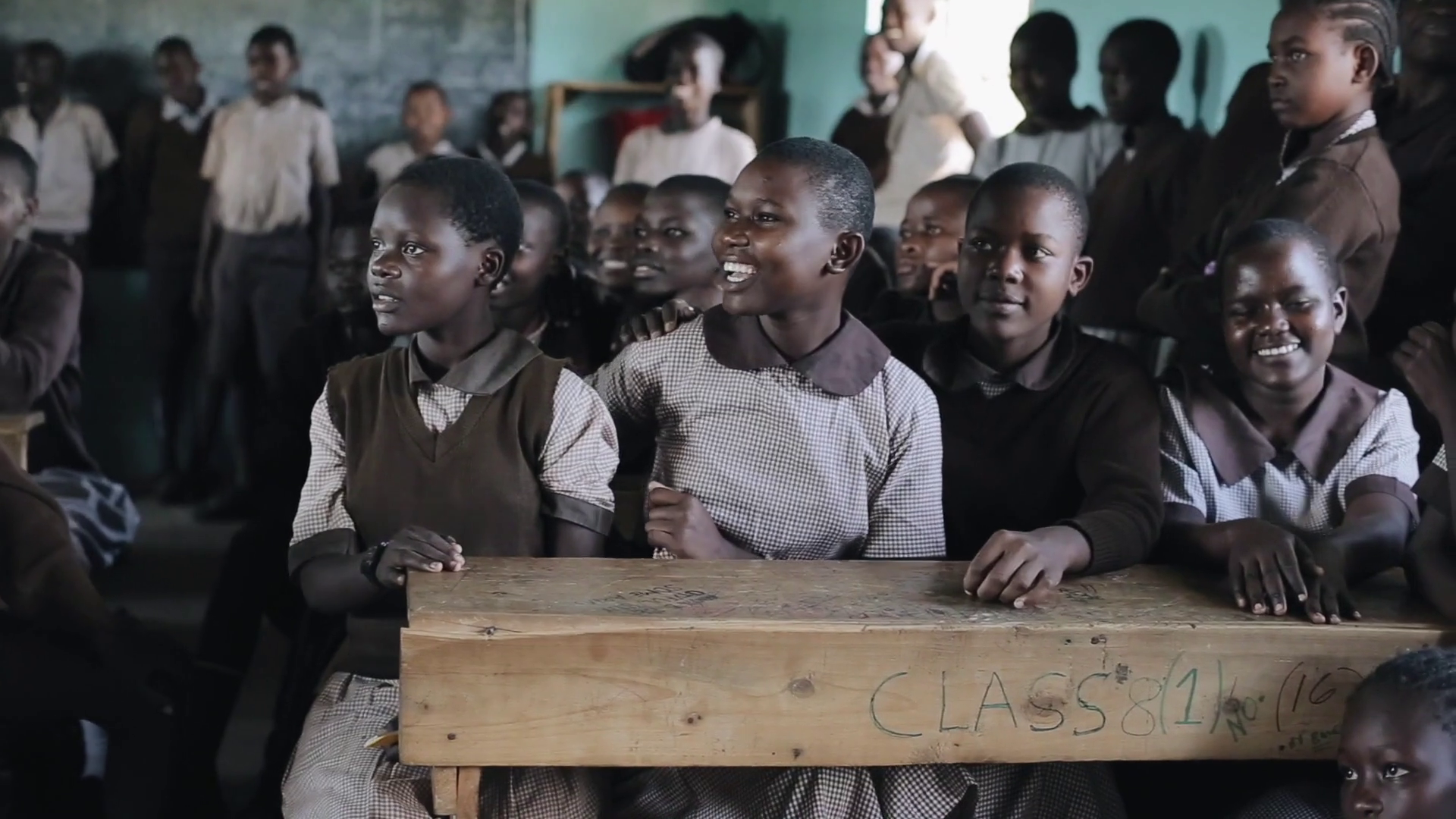
In partnership with local communities, Ngiandu Trading proposed the construction of a primary school in Cunene-Lubango to support access to education for 300 children.
This transformative project began in June 2011, laying the foundation for long-term educational empowerment in rural Angola.

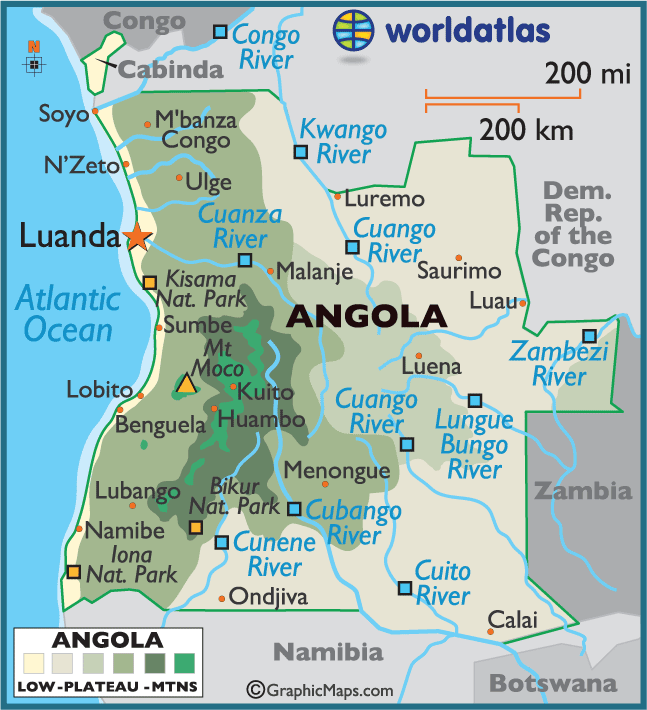
Location: Lubango, Cunene, Angola
Project Duration: 1 Year
Beneficiaries: 300 school-aged children annually
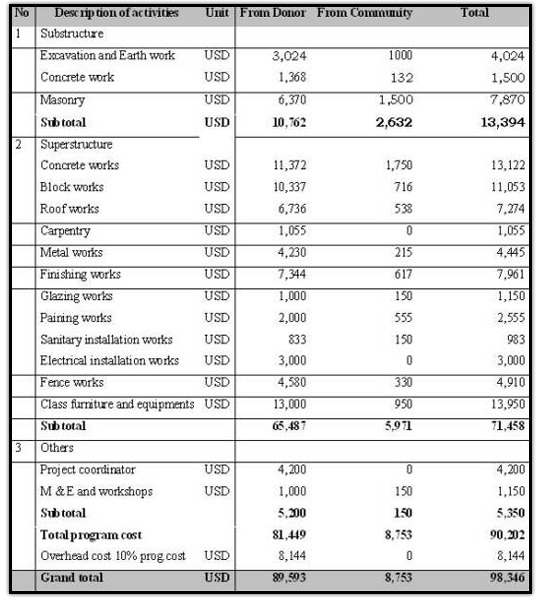
Total Project Cost: $98,346

  • Donor Contribution: $89,593 (Unicef.de)
  • Community Contribution: $8,753

Implementing Agency: Ngiandu Trading
Donor Partner: Unicef.de

Project Contacts

Administration & Programs:
Antonio Pedro
📞 +244 928 137714

Public Relations:
David Tomaku
📞 +41799380382

General Manager:
Ngiandu Makenene
📍 Angola: Rua Ngo La Kiluanje, Hoje ya Henda, Luanda
📞 +244 928 137714
📍 Australia: 12 Edmund St, Dallas, VIC 3047
📞 +61 (3) 9359 0242

Why Our Project Matter

Angola, located along the southwest coast of Africa, has a rich yet turbulent history marked by colonisation, civil conflict, and socio-economic challenges. The southern regions, particularly Huambo and Lubango, were heavily impacted by war, displacing millions and leaving generations without access to basic education. Despite government efforts, rural communities still face significant barriers, including lack of infrastructure, distant schools, and low awareness of education’s value. To bridge this gap, local NGOs like Ngiandu Trading are stepping in. Over the next five years, the organisation plans to build two primary schools and one high school, supporting long-term educational development in underserved areas.

Statement of the Problem

In today’s knowledge-driven world, a nation’s growth depends less on natural resources and more on the skills, education, and health of its people. Primary education plays a vital role in reducing illiteracy and boosting productivity, especially in developing regions. Children without education face lifelong disadvantages in health, opportunity, and social mobility. Recognising this, the Angolan government encourages NGOs to support education in underserved areas. In response, Ngiandu Trading has committed to expanding educational access in rural Cunene over the next five years—empowering communities through foundational learning and long-term development.

  • Education drives Angola’s future, reducing illiteracy and supporting economic growth.
  • Ngiandu Trading is expanding rural education to empower children in Cunene.

Support & Donations

BAI Bank Angola

Garden Towers Maianga
Account: 04865541510001
Swift code:BAIPAOLUXXX

Australia – Commonwealth Bank

Ngiandu Makenene
BSB: 063-111
Account: 10668827
Swift code:CTBAAU2S

Activities of the Project

The following are the activities to be carried out during the implementation of the project in accordance with the ministry of education school construction standard.

  • Construct 2 blocks, one having 8 classrooms that accommodate 40 students each class.
    • The other block to have offices, library, including sanitation rooms
    • Construct sport facilities such as soccer field, tennis and basketball court.
    • The total size for the school site requires 90m x 100m = 9000m(sq)
    • Purchase and furnishing each class room with standard desks (20 x 8) = 160 desks
  • Purchase of blackboard for each classroom (8 x 2) = 16 blackboards
  • Purchase and supply of different student book and reference books
  • Purchase of 2 laptop projectors for visualization and access internet materials
  • Fencing work

Expected output of the project

The expected output of the project is a well furnished and attractive one primary school that includes 1st and 2nd cycle. Most importantly school with access to the internet.

Strategy of the project

  • Looking for potential donors to secure fund
  • Preparation for tender documents and guidelines
  • Distribute the tender document
  • Collecting the tender documents
  • Analyzing and approving the tender documents
  • Opening the construction work to approved tende
  • Close supervision of the construction process

Project Phase-out Strategy

Ngiandu Trading will oversee the full implementation of the project upon securing funds, appointing qualified contractors for construction.
Once completed, the school will be assessed by Education Bureau experts to ensure it meets national standards before being officially handed over to Cunene-Lubango authorities.

Conclusion

This school will serve as a hub for education and rural development, empowering youth with skills for the future. Your support can help transform communities and shape a stronger Angola.


Project Summary

The ‘Cunene Lubangu Primary school’ construction project is designed to be implemented in Lubangu and Cunene province located in south west of Angola. Since 1975 to 1992 the southern region of Angola has been destabilized by wars that resulted in low school age children’s enrolment, high drop out especially girls due to fear of abduction and other problems.

Therefore the objective of this project is to increase children’s access to primary education for 300 students.

The total budget required for implementation of the project is $98,348 of which $89.539 is to be covered by the donor organization and $8,753 to be covered by the local community.


General and specific objectives of the project

General Objective:
To improve access to quality primary education in Cunene by building a fully equipped school.

Specific Objectives:

  • Provide education for 300 children up to Year 8
  • Raise literacy rates by 90% in the target area

Promote the value of education and reduce gender disparities

Monitoring & Evaluation

The project will be monitored regularly through monthly, quarterly, and annual targets, assessing progress, budget use, and quality of work against set objectives.
A final evaluation involving all stakeholders, including donors, community members, and government officials,  will be conducted before handing over to the Education Bureau.

During the evaluation process the following indicators will be considered:

  • Financial system, cost effectiveness and budget utilization
  • Community contribution in the implementation of the project
  • Quality of materials used for construction
  • Government standard for the construction of primary school

Project state holders

Project Cost Estimate Summary